Cultural Triangle · Travel Guide
Ancient City of Polonnaruwa: A Complete Guide to Sri Lanka’s Best-Preserved Royal Capital
Palaces, giant stone Buddhas and a 12th-century reservoir that still waters the paddy fields around it — here’s everything you need to plan a day in Polonnaruwa.
Polonnaruwa is one of the cleanest and most attractive cities in Sri Lanka, ringed by ancient ruins and wide agricultural plains. In 1982 it was inscribed by UNESCO as the Ancient City of Polonnaruwa — and nearly forty years on, it remains the best-preserved medieval capital on the island.
Spread across roughly four square kilometres, the site holds palaces, monasteries, Buddhist and Hindu temples, dagobas and some of the finest stone sculpture in South Asia. Unlike Anuradhapura, where the monuments are scattered over a huge area, Polonnaruwa’s ruins sit close together — which makes it a genuinely enjoyable place to explore on foot or by bicycle.
Polonnaruwa at a glance
A short history of Polonnaruwa
In 993 AD, South Indian Chola invaders conquered Anuradhapura — Sri Lanka’s first capital — and moved the seat of power to Polonnaruwa in the North Central Province. It took more than seventy years to push them back out: in 1073, the Sinhalese king Vijayabahu I drove the Cholas from the island but chose to keep Polonnaruwa as his capital rather than return to Anuradhapura.
Several kings built the city up over the next two centuries, most notably Parakramabahu I and Nissankamalla. Polonnaruwa served as the royal capital for around 200 years before falling once more to South Indian invaders. When the capital shifted to Dambadeniya, closer to Colombo, the city was gradually abandoned to the jungle.
Parakramabahu’s reign left the deepest mark. He built palaces, monuments and pleasure gardens across the city, and most of what you see standing today dates from this period — including Gal Vihara, Polonnaruwa’s headline attraction, and the Lankatilaka, a towering brick image house known as a gedige that shelters a colossal headless Buddha. King Nissanka Malla added the delicate Nissanka Latha Mandapaya, a small pavilion raised on carved granite pillars shaped like lotus stems.
Top 10 places to visit in Polonnaruwa
If you’re planning a route through the archaeological park, these are the stops worth building your day around:
The five highlights you shouldn’t skip
The Royal Palace
King Parakramabahu’s palace (1153–1186) was originally a seven-storey building with a thousand rooms, and took roughly seven years and seven months to complete. Only three storeys and 55 rooms survive today. The floor plan closely echoes the 12th-century Vijayabahu palace at Anuradhapura. The building was destroyed by the South Indian invader known as Magha.
The Sacred Quadrangle
A compact walled terrace packed with the most opulent religious architecture of the era. The circular Vatadage is the visual centrepiece — four large seated Buddha images face outward from the centre, and a small stupa behind them once sheltered the Sacred Tooth Relic. It’s widely regarded as one of the finest structures in the country.
Rankot Vihara
Built by King Nissanka Malla (1187–1196), this brick stupa rises 54 metres and was designed in deliberate homage to the great dagobas of the Anuradhapura Maha Viharaya. It’s the largest stupa in Polonnaruwa and best photographed in the softer light of early morning.
Lankatilaka Vihara
One of Sri Lanka’s earliest image houses, and among the most striking structures the Polonnaruwa kings left behind. A narrow corridor between two enormous brick walls opens onto a headless standing Buddha roughly 14 metres tall. Another of Parakramabahu’s commissions.
Gal Vihara
The reason most people come. Four Buddha images carved directly out of a single granite face during Parakramabahu’s reign, including a 14-metre reclining Buddha depicting the Buddha entering Nirvana. The technical control on display here — the folds of the robe, the pillow, the grain of the stone — represents the high point of Sri Lankan stone sculpture.
Yes. Disneynature’s 2015 documentary Monkey Kingdom — directed by Mark Linfield and Alastair Fothergill, narrated by Tina Fey — was shot in Polonnaruwa. It follows a troop of toque macaques living among the ancient ruins, and their descendants are still very much in residence. Keep your snacks zipped away.
How to get to Polonnaruwa
Polonnaruwa sits 230 km from Colombo, 78 km from Anuradhapura and about 68 km from Pasikuda on the east coast.
| From | Route | Approx. time |
|---|---|---|
| Colombo | Train to Habarana, then taxi or bus | 6 hrs by rail + transfer |
| Colombo | Intercity bus from Colombo Fort | 6–8 hrs |
| Sigiriya | Bus via Inamaluwa junction | 1.5–2 hrs |
| Anywhere | Private car with driver | Fastest and most flexible |
Public transport works, but it eats into your day — and the last stretch usually needs a connection anyway. Most travellers visiting Polonnaruwa as part of a Cultural Triangle route come by private car with a driver, which lets you pair it with Sigiriya or Dambulla in the same trip.
Practical tips for visiting
How long do you need?
You can see the main sights in a few hours by tuk-tuk or car, but plan on a full day if you want to walk the site properly and spend time at Gal Vihara without rushing.
Getting around the site
Cycling is the best way to cover Polonnaruwa. The attractions sit close enough together that one relaxed day on a bike covers almost everything. Rental shops are easy to find in town and right at the site entrance.
What to wear
Temple dress code applies: knees and shoulders covered. It’s humid, so a lightweight sarong you can pull on over shorts before entering each temple is far more comfortable than long trousers all day. You’ll also be removing your shoes at temple entrances — socks help on hot stone.
Gates open at 7:00 AM. Aim to be inside before mid-morning — the site has very little shade, and the midday heat on open stone is punishing. Bring more water than you think you need.
Where to stay in Polonnaruwa
Ekho Lake House · Deer Park Hotel
Heritage Polonnaruwa · Hotel Sudu Araliya · Giritale Hotel
Royal Nest Polonnaruwa · Tishan Holiday Resort · Ruins Chaaya Hotel
National parks near Polonnaruwa
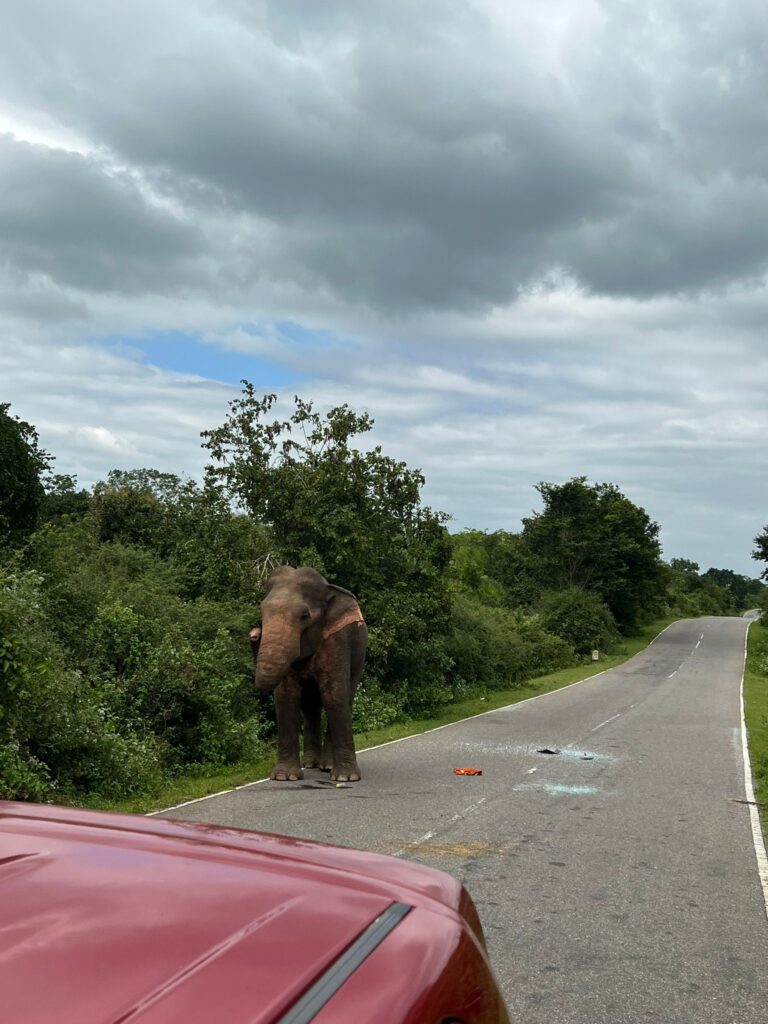
Polonnaruwa is well placed for wildlife. The best known of its neighbours is Minneriya National Park, a modest reserve built around a large tank that supports a wide range of species. It’s most famous for The Gathering: between August and September, hundreds of elephants converge on the grassy banks exposed by the receding reservoir — one of the largest concentrations of wild Asian elephants anywhere in the world.
Pairing a morning at the ruins with an afternoon safari at Minneriya makes for one of the strongest single days on any Sri Lanka itinerary.
Frequently asked questions
How much is the entrance fee for Polonnaruwa?
Admission to the Polonnaruwa Museum and cultural sites is USD 25 for foreign adults and USD 12.50 for children. The ticket covers the museum and the archaeological park.
Is Polonnaruwa worth visiting if I’ve already seen Anuradhapura?
Yes — they’re very different experiences. Anuradhapura is older, larger and more sacred, with monuments spread across a wide area and still in active worship. Polonnaruwa is more compact, better preserved and far easier to see in a single day. If you only have time for one, Polonnaruwa is usually the better first visit.
Can I visit Polonnaruwa and Sigiriya on the same day?
It’s possible — they’re 56 km apart — but it makes for a very long day, especially if you’re climbing Sigiriya. We’d normally recommend Sigiriya at sunrise and Polonnaruwa the following morning, with a night in Habarana or Giritale in between.
What’s the best time of year to visit?
The dry season from May to September is the most reliable for the Cultural Triangle, and it also coincides with The Gathering at nearby Minneriya. Whatever the month, start early — the heat, not the rain, is the main consideration here.
Are there monkeys at the site?
Plenty. The toque macaques filmed for Monkey Kingdom still live throughout the ruins. They’re used to visitors and quick with an unattended bag, so keep food out of sight and don’t feed them.
Sri Lanka tours that include Polonnaruwa
Sri Lanka isn’t a difficult country to travel independently — but if you’d rather not spend your holiday planning routes and chasing bus connections, Ceylon Hunt handles the whole thing. Every tour includes an A/C vehicle, an SLTDA-approved guide, accommodation and daily breakfast and dinner.
Best of Sri Lanka
Pinnawala, the Temple of the Tooth Relic, rafting at Kitulgala, Galle and a working tea plantation.
Loving it Sri Lanka
Sigiriya, Dambulla, Kandy, Nuwara Eliya, Ella, Galle Fort, whale watching and a turtle hatchery.
Amazing Sri Lanka
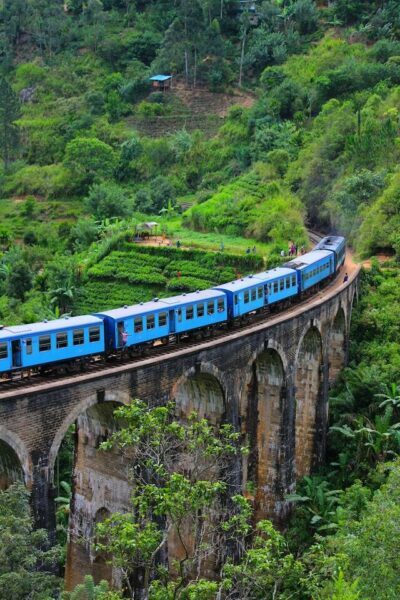
The full Cultural Triangle plus the Ella train ride, a Yala jeep safari and the southern coast.
Polonnaruwa remains a source of cultural and religious pride for Sri Lankans, and a remarkable record of ancient engineering — the Parakrama Samudra reservoir that Parakramabahu built still irrigates the fields around the city today. If Sri Lanka is on your list, don’t leave this one off it.
Want Polonnaruwa in your itinerary?
Tell us your dates and we’ll send a tailored quote within 24 hours. No advance payment required.