Important Facts About Sri Lanka Before You Travel
Pristine beaches, misty tea country, ancient rock fortresses and some of the warmest hospitality in Asia — Sri Lanka packs a lot into a small island. Here is everything worth knowing before you land, from visas and seasons to food, transport and safety.
Sri Lanka is roughly the size of Ireland, yet you can watch blue whales in the morning and be sipping tea at 1,800 metres by evening. That compactness is the island’s biggest advantage — and the reason a little planning goes a long way. Below is the practical groundwork we share with every traveller before they arrive.
Sri Lanka at a Glance
Visa & Entry Requirements
Most travellers need a visa to enter Sri Lanka, and the simplest route is the Electronic Travel Authorization (ETA), which you apply for online before your trip. The process is straightforward, but it is worth doing well in advance rather than at the airport.
Requirements vary by nationality and by the purpose of your visit, so always confirm the current rules for your passport before booking flights. Have your return ticket and accommodation details ready — immigration occasionally asks for them.
Apply for your ETA only through the official government portal. Third-party sites charge a markup for the same document. If you have booked a tour with us, we can send you a confirmed itinerary and hotel list to attach to your application.
Weather & the Best Time to Visit
Sri Lanka has a tropical climate, but the useful thing to understand is that the island has two separate monsoons hitting two different coasts. That means there is no bad time to visit — only a wrong coast for the season.
| Region | Best Months | What You Get |
|---|---|---|
| West & South Coast | December – April | Galle, Mirissa, Bentota, Unawatuna at their sunniest; whale season |
| East Coast | April – September | Trincomalee, Arugam Bay; calm seas and surf |
| Hill Country | Year-round | Cool 15–22°C; misty mornings, occasional afternoon showers |
| Cultural Triangle | Year-round | Hot and dry; start sightseeing early to beat the heat |
Sudden rain showers are normal, particularly during monsoon months. They rarely last long. Pack a light rain jacket, and expect to need a warm layer in Nuwara Eliya and Ella, where nights get genuinely chilly.
Getting Around the Island
Travelling in Sri Lanka is half the experience. Your options:
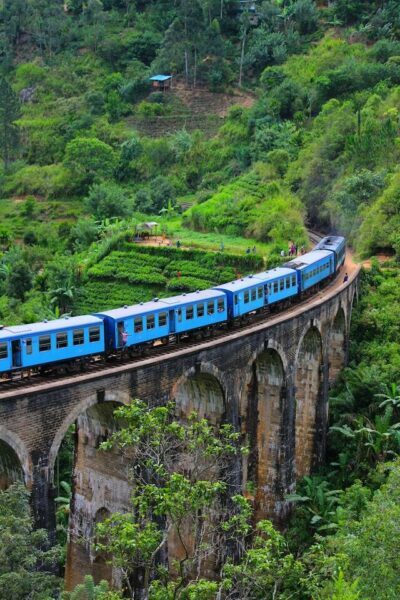
- Trains — the Kandy to Ella line through the hill country is one of the most scenic rail journeys in the world. Reserved seats sell out fast in season.
- Tuk-tuks — perfect for short hops within a town. Agree the fare first or ask the driver to use the meter.
- Buses — extremely cheap and they reach everywhere, though they are crowded and fast-moving.
- Private car with driver — the most comfortable way to cover the island. Roads are winding and distances take longer than the map suggests.
- Domestic flights & seaplanes — useful for reaching Jaffna or Trincomalee quickly.
Colombo to Ella is only about 200 km, but it takes six to seven hours on mountain roads. Most travellers combine a private vehicle for the long legs with one or two train rides for the views. Ceylon Hunt handles both — see our car hire with driver and airport transfer options.
Delicious Sri Lankan Cuisine
Sri Lankan food is a blend of flavours shaped by centuries of trade and the island’s diverse cultural heritage. It is coconut-rich, spice-forward and quite distinct from Indian cooking, despite the proximity.
- Rice and curry — never just one curry. Expect five or six small dishes around a mound of rice, plus sambol and papadum.
- Hoppers (appa) — bowl-shaped, crispy-edged rice-flour pancakes. Order one with an egg cracked into the centre.
- Kottu roti — chopped flatbread stir-fried with vegetables, egg and meat. You will hear it being made before you see it.
- Seafood — crab curry in Colombo, grilled catch of the day along the south coast.
- Short eats — fish cutlets, vegetable rotti and patties, ideal for road trips.
Vegetarian and vegan travellers are very well served here — a large share of the everyday menu is naturally plant-based. Every Ceylon Hunt package includes both vegetarian and non-vegetarian meal options, arranged with your hotels in advance.
Exploring the Beaches
Sri Lanka has some of the finest coastline in the region, and each stretch has its own character. Whether you surf, dive, sunbathe or simply want a quiet place to read, there is a beach that suits.
- Bentota — calm water and watersports; good for families and first-timers.
- Mirissa — the base for blue whale and dolphin watching from November to April.
- Unawatuna — a sheltered bay with easy swimming and a lively beachfront.
- Arugam Bay — the surf capital of the east coast, best between May and September.
- Hikkaduwa — coral reef snorkelling straight off the shore.
Tea Plantations & Wildlife
Head inland and the landscape changes completely. Nuwara Eliya, nicknamed “Little England”, sits among rolling tea estates and colonial-era bungalows, and offers a clear window into the country’s plantation past. A factory visit — watching leaves go from plucking to tasting — is well worth an hour.
For wildlife, Sri Lanka has one of the highest leopard densities on earth. Yala National Park is the headline destination, while Udawalawe is unmatched for elephant sightings and is usually quieter. Both are home to sloth bears, crocodiles, buffalo and an extraordinary range of birdlife.
Book safaris for the first slot after dawn. Animals are active, the light is better for photographs, and you avoid the midday jeep traffic.
Historical & Cultural Landmarks
The island has over two thousand years of recorded history, and much of it is still standing. The ancient cities of Anuradhapura and Polonnaruwa hold vast dagobas, royal palaces and carved stone reservoirs from Sri Lanka’s classical kingdoms.
The most famous site is Sigiriya Rock Fortress, a UNESCO World Heritage Site rising 200 metres from the plain, with frescoes halfway up and panoramic views from the summit. Add the Golden Temple of Dambulla, the Temple of the Sacred Tooth Relic in Kandy and the Dutch-built ramparts of Galle Fort, and you have the backbone of most itineraries.
Cover shoulders and knees at religious sites, remove shoes and hats before entering, and never pose with your back to a Buddha statue — it causes genuine offence and can carry legal consequences.
Traditional Festivals & Celebrations
If your travel dates coincide with a festival, you are in for something special. Sinhala and Tamil New Year in mid-April brings games, sweets and family rituals across the country. Vesak in May transforms towns with paper lanterns, illuminated displays and free roadside food stalls called dansal. The Kandy Esala Perahera in July or August is a nights-long procession of drummers, dancers and decorated elephants.
Do plan around them, though — transport fills up and many businesses close during New Year week.
Shopping & Souvenirs
From bustling local markets to air-conditioned malls in Colombo, there is plenty to browse. The things genuinely worth carrying home:
- Ceylon tea — buy from an estate or a reputable tea shop rather than the airport.
- Spices — cinnamon, cardamom, pepper and curry blends.
- Handicrafts — wooden masks, brassware and handloom textiles.
- Gemstones — Ratnapura is the sapphire centre; only buy from licensed dealers with certification.
- Batik and cotton clothing — light, practical and made locally.
Communication & Connectivity
Staying connected is easy in most of the country. Coverage in Colombo, Kandy, Galle and along the main routes is strong, though it thins out in remote hill and jungle areas. Picking up a local SIM card at the airport on arrival is inexpensive and far cheaper than roaming — bring your passport, as registration is required. eSIM options are also available if your phone supports them.
Health & Safety Tips
- Drink bottled or filtered water and check the seal before opening.
- Use high-factor sunscreen. You are close to the equator and will burn faster than you expect, even on cloudy days.
- Apply insect repellent, particularly around dusk and near water.
- Take out travel insurance that covers medical costs and any adventure activities you plan, such as rafting or diving.
- Respect the ocean. Currents on the south and east coasts can be strong; swim where locals swim and heed warning flags.
- Carry small cash. Cards are accepted in hotels and cities, but tuk-tuks, markets and rural stalls run on rupees.
Sri Lanka is generally a very safe destination for travellers, including solo women, and the standard precautions you would take anywhere are enough. Travelling with a licensed local guide removes most of the remaining friction.
Ready When You Are
Popular Ceylon Hunt Packages


Plan Your Sri Lankan Adventure
Sort the visa early, pick your coast to match the season, leave room in the schedule for the drives, and eat everything you are offered. Do that and Sri Lanka rewards you with more variety per kilometre than almost anywhere else you could travel.
Ceylon Hunt is a licensed Destination Management Company based in Seeduwa, working with SLTDA-approved drivers and guides. We build every itinerary around your dates, your pace and your budget — with no advance payment required.
Ready to Discover Sri Lanka?
Tell us your travel dates and we will send you a tailored itinerary within 24 hours. Free, with no obligation.