The Best Time to Visit Sri Lanka from India
Sri Lanka is the shortest long-weekend abroad an Indian traveller can take — Chennai to Colombo is barely 75 minutes in the air. But the island packs two separate monsoons into one small landmass, which means there is no single “rainy season”. There is only the wrong coast at the wrong time.
Get the timing right and you can be watching blue whales off Mirissa in the morning and sipping tea at 6,000 feet the same evening. Get it wrong and you’ll spend three days of a five-day trip watching rain from a hotel balcony. Here’s how to pick your dates.
The short answer
December to April is the best time for a classic round tour — Sigiriya, Kandy, Nuwara Eliya, Ella, Galle and the southern beaches. May to September is the time to head east and north to Trincomalee, Pasikuda and Arugam Bay. October and November are the wettest weeks island-wide, and also the cheapest.
Why Sri Lanka has two seasons at once
Two monsoons cross the island from opposite directions, and the central mountains split the weather between them.
The southwest monsoon (Yala) runs roughly from May to September and soaks the west coast, the south coast and the western slopes of the hill country — Colombo, Bentota, Galle, Mirissa, Kitulgala, Nuwara Eliya.
The northeast monsoon (Maha) runs roughly from November to February and brings its rain to the east and north — Trincomalee, Batticaloa, Arugam Bay, Jaffna.
Between the two sit the inter-monsoon periods, in October–November and again around March–April, when short, heavy afternoon thunderstorms can pop up anywhere before clearing. Rain here rarely means a washed-out day. It usually means an intense hour and then sunshine.
Month by month, at a glance
| Month | What the weather does | Where to go | Verdict |
|---|---|---|---|
| December | Dry season begins in the west and south; warm and bright | Colombo, Kandy, Galle, Bentota | Excellent |
| January | Driest, sunniest month on the south coast; cool nights in the hills | Mirissa, Unawatuna, Ella, Nuwara Eliya | Excellent |
| February | Peak season conditions; calm seas, clear skies | Whole west, south and hill country | Excellent |
| March | Still dry, getting warmer; excellent wildlife viewing | Yala, Udawalawe, Sigiriya, beaches | Excellent |
| April | Hot and humid, occasional thunderstorms; Sinhala & Tamil New Year mid-month | Hill country, national parks, east coast opens up | Very good |
| May | Southwest monsoon arrives on the west and south coasts | Trincomalee, Pasikuda, Arugam Bay | Depends where |
| June | Rain in the southwest; east coast dry and hot | East coast, Yala, Cultural Triangle | Depends where |
| July | Green, lush interior; east coast at its best | East coast, Kandy (Esala Perahera) | Very good (east) |
| August | Similar to July; peak surf season in the east | Arugam Bay, Trincomalee, Sigiriya | Very good (east) |
| September | Monsoon easing; shoulder-season prices | East coast, hill country | Good value |
| October | Inter-monsoon; short heavy showers island-wide | Hill country, Cultural Triangle | Cheapest |
| November | Rain tapering off in the southwest by month end | Colombo, Kandy, south coast (late Nov) | Improving |
Swipe the table sideways to see all four columns on mobile.
Winter: December to February — the classic window
This is when most Indian families come, and for good reason. The south and west coasts are dry, the sea is calm enough for whale watching and snorkelling, and the hill country is crisp rather than cold — around 10–20°C in Nuwara Eliya at night, 27–31°C down on the coast.
It also lines up neatly with Christmas and New Year breaks, Pongal, and school winter holidays. That popularity is the only downside: hotels in Galle, Mirissa and Nuwara Eliya fill up early, and rates over 20 December to 5 January are the highest of the year. If you’re travelling in that window, book six to eight weeks ahead.
Best for: First-time visitors, honeymoon couples, families with children, whale watching off Mirissa, and anyone who wants a guaranteed dry beach.
March to April — wildlife and warm water
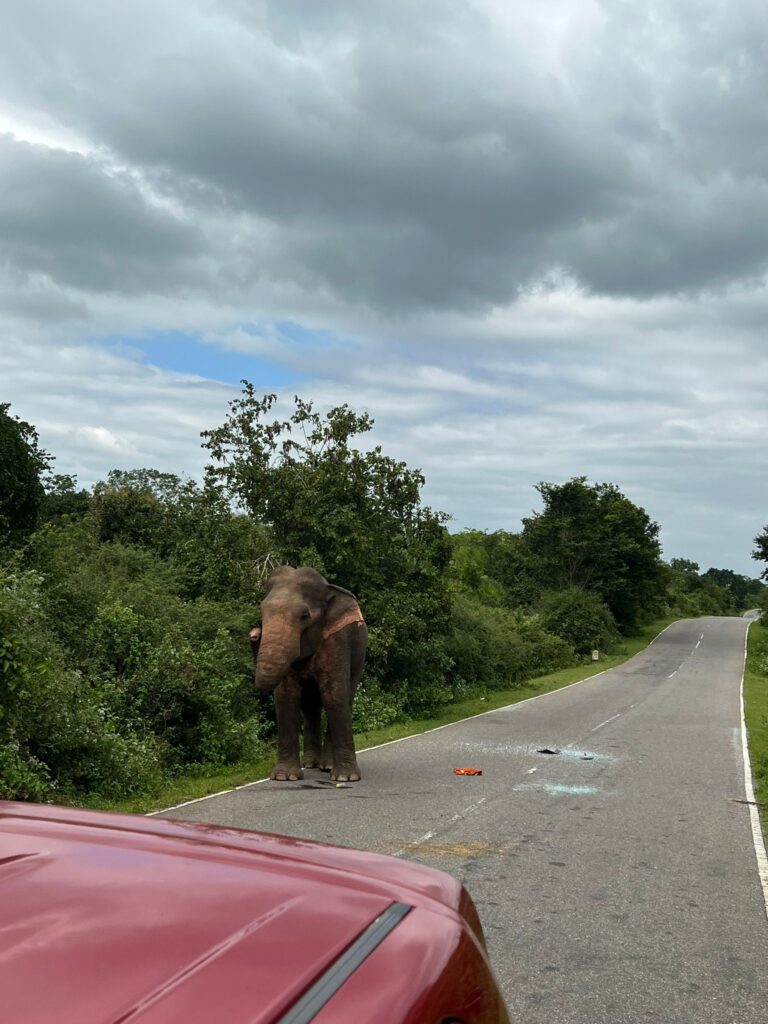
March is quietly the island’s best-kept secret. The dry weather of February holds, the peak-season crowds thin out, and the national parks come into their own. As waterholes shrink, leopards, elephants and sloth bears concentrate around the remaining water, which makes a jeep safari in Yala or Udawalawe far more productive than in the green months.
April turns hot and sticky, and short thunderstorms start appearing in the afternoons. It’s still a strong month, and mid-April brings the Sinhala & Tamil New Year — villages decorate, families cook milk rice, and the whole island slows down for a few days. Lovely to witness, though some shops and small restaurants close for 48 hours.
May to September — go east, not south
Most guides write this period off. That’s a mistake — it just means swapping coasts. While Galle and Mirissa are getting the southwest monsoon, Trincomalee, Pasikuda, Nilaveli and Arugam Bay are enjoying their driest, sunniest stretch of the year. Trincomalee has some of the calmest, clearest water in South Asia in July and August, and Arugam Bay is a world-class surf break from May to September.
Inland, the Cultural Triangle — Sigiriya, Dambulla, Polonnaruwa, Anuradhapura — stays perfectly visitable year round, and the hills are at their greenest. Late July or August also brings the Esala Perahera in Kandy, ten nights of drummers, dancers and caparisoned elephants processing around the Temple of the Tooth. If you can time a trip to it, do.
Whale watching, Mirissa
Blue whales and spinner dolphins off the south coast. Calmest seas December to March.
Whale watching, Trincomalee
The east coast alternative, best from June to August when the water is flat.
Yala jeep safari
Peak leopard sightings in the dry months. Block 1 usually closes for around six weeks from early September.
Kandy to Ella train
Clear skies mean you actually see the tea slopes and Nine Arch Bridge instead of cloud.
Surfing, Arugam Bay
Consistent right-hand point break. Beginner-friendly beaches nearby at Whiskey Point.
Cultural Triangle
Sigiriya, Dambulla and Polonnaruwa work in any month. Start the Sigiriya climb by 7am to beat the heat.
October and November — the budget window
The second inter-monsoon brings the most unsettled weather of the year, with thunderstorms possible almost anywhere. But rain in Sri Lanka is rarely all-day drizzle — it’s a dramatic downpour that clears, and the light afterwards is extraordinary. Waterfalls like Ramboda and Diyaluma are at full roar, the tea country glows, and the island is quiet.
If your priority is value rather than a beach tan, this is when hotel rates drop sharply and you’ll have Sigiriya’s summit largely to yourself. Pack a light rain jacket, keep the itinerary flexible, and build in a spare afternoon.
Value tip for Indian travellers: Flight fares from Chennai, Bengaluru, Kochi and Mumbai are usually lowest between May and early October, outside the Indian school holiday peaks. Combined with off-season hotel rates, a September or October trip can cost 25–35% less than the same itinerary in January.
Practical notes before you book
Getting there
Direct flights to Colombo run from Chennai (about 1 hour 15 minutes), Bengaluru, Kochi, Trivandrum, Hyderabad, Mumbai and Delhi. Chennai and Bengaluru have the most frequent departures, which makes a four- or five-night trip genuinely practical over a long weekend.
Entry requirements
Sri Lanka has waived tourist visa and ETA fees for Indian passport holders, with a standard stay of 30 days. Entry rules have been adjusted more than once in the last two years, so check the official portal at eta.gov.lk shortly before you fly and carry a passport with at least six months’ validity plus a confirmed return ticket. When you book with us, we’ll confirm the current requirement in writing with your itinerary.
Money
The local currency is the Sri Lankan Rupee (LKR). Indian Rupees are not generally accepted by shops or restaurants, so change money at the airport or a bank on arrival. Cards work in hotels and city restaurants; carry cash for village stalls, tuk-tuks and entrance tickets.
Food
Vegetarian and Jain travellers do well here — rice and curry is built around vegetables, dhal and coconut, and every hotel we work with can prepare pure-veg meals. Tell us at booking and we’ll arrange it in advance rather than negotiating it at each stop.
Travelling solo as a woman
Sri Lanka is broadly safe for solo female travellers, and Indian women travel here in large numbers. The usual sense applies — avoid isolated beaches after dark, agree tuk-tuk fares before setting off, and cover shoulders and knees at temples. Travelling with an SLTDA-approved driver-guide removes most of the friction of getting between towns.
Match your dates to a tour
Every itinerary below runs year round; we simply reshuffle the route so you’re on the dry side of the island for the dates you’ve chosen.
Best of Sri Lanka
Pinnawala, Temple of the Tooth, white water rafting at Kitulgala, Galle city and a tea plantation. Ideal for a first, short trip.
Loving it Sri Lanka
Sigiriya, Dambulla, Kandy, Nuwara Eliya, Ella, Galle Fort, whale watching and the turtle hatchery. Our most booked route.
Amazing Sri Lanka
The full island loop with the Ella train ride and a Yala jeep safari — the best fit for February to July wildlife travel.
Frequently asked questions
What is the overall best month to visit Sri Lanka from India?
February. The west, south and hill country are all dry, seas are calm for whale watching, and the weather is warm without the humidity that arrives in April. January and March are close behind.
Can I visit Sri Lanka during the monsoon?
Yes. Because the two monsoons hit opposite coasts, one half of the island is almost always dry. From May to September we route guests to Trincomalee, Pasikuda and Arugam Bay instead of the south coast, and the Cultural Triangle stays open year round.
When is the cheapest time to travel?
May to early October, with October the lowest. Hotel rates and flight fares from Indian metros both drop outside the Indian school holiday peaks, and the island is much quieter.
Do Indian citizens need a visa for Sri Lanka?
Visa and ETA fees have been waived for Indian passport holders, with a 30-day stay permitted. The rules have changed more than once recently, so confirm the current process at eta.gov.lk before you travel, and carry a passport valid for six months plus a return ticket.
Can I use Indian Rupees in Sri Lanka?
Not generally. Change to Sri Lankan Rupees at the airport or a bank on arrival. Cards are accepted at hotels and larger restaurants, but keep cash for small purchases and entry tickets.
How many days are enough for a Sri Lanka trip?
Five days covers the highlights at a comfortable pace. Six days lets you add Ella and the south coast without rushing. Eight days is the sweet spot if you want a Yala safari and beach time in the same trip.
Not sure which month suits your plan?
Send us your travel dates and we’ll build a route around the dry side of the island — a free, tailored itinerary within 24 hours, with veg and non-veg meals included.