Ceylon Hunt · Southern Province Guide
15 Best Places to Visit in Tissamaharama
Most travellers treat Tissa as a bed for the night before the Yala gates open at dawn. That is a mistake — two ancient reservoirs, three stupas, three national parks and the holiest crossroads on the island all sit within an hour of town.
Tissamaharama sits in Sri Lanka’s southern province, 30 kilometres from the Mattala exit of the Southern Expressway and roughly 270 kilometres from Colombo. It is the launching point for Yala National Park and Kataragama, which is why almost every southern itinerary passes through it.
A short history of Tissamaharama
Prince Mahanaga, brother of King Devanampiyatissa, founded the town — then called Mahagama — in the 3rd century BC as the capital of the southern kingdom of Ruhuna.
His descendant King Kavantissa, father of the warrior king Dutugamunu, built the two great irrigation reservoirs and the three stupas that still define the skyline. Chronicles record that more than 12,000 Buddhist monks lived in Tissamaharama and its surrounds during his reign.
Quick Navigation
The 15 places, at a glance
- 01 Tissa Wewa
- 02 Tissamaharama Temple
- 03 Yatala Temple
- 04 Kirinda Raja Maha Vihara
- 05 Kirinda Beach
- 06 Yala National Park
- 07 Bundala National Park
- 08 Udawalawe National Park
- 09 Elephant Transit Home
- 10 Kataragama Devalaya
- 11 Kiri Vehera
- 12 Sella Kataragama
- 13 Situlpawwa Rock Temple
- 14 Dry Zone Botanic Garden
- 15 Hambantota Salterns

Tissa Wewa
Sitting on the Tissamaharama–Kataragama road, Tissa Wewa is the easiest and loveliest way to spend a late afternoon here. Boat rides run across the tank for anyone who wants a bird safari among the waterfowl roosting in the shallows.
The reservoir is one of four great historic irrigation tanks in the area, credited to King Maha Naga in the 3rd century BC to irrigate the paddy lands and supply the growing city.

Tissamaharama Temple
A sky-touching dagoba marooned in the middle of paddy fields — 156 feet high with a circumference of 550 feet, and one of the sixteen holiest sites in Sri Lanka for Buddhist pilgrims. It was among the four principal monasteries founded after the arrival of Arahant Mahinda Thera.
King Mahanaga built the original temple, also known as Tissamaharama Raja Maha Vihara, in the 3rd century BC. King Kavantissa expanded it into a major monastery a century later.

Yatala Temple
One of our favourite stops in Tissa, and one of the easiest. The dagoba is visible from the Tissa–Kirinda road, so you simply pull over, slip off your shoes and walk up.
Also called Mani Chethiya or Yattalaya, the stupa is thought to be around 2,300 years old, raised by the regional ruler Yatala Thissa of Ruhuna to mark the birth of his father, Mahanaga. A small museum on site holds artefacts worth ten minutes if you like your history first-hand.

Kirinda Raja Maha Vihara
Reached along the Tissa–Kirinda road, this temple crowns a rocky hill above the southern coast, with a sweeping view over the dunes, the beach and the sea beyond.
This is the shore where Princess Viharamaha Devi is said to have landed after setting herself adrift to calm the raging ocean, and where King Kavantissa and his retinue met her. At the summit you will find statues of the Buddha and the queen, a stupa, a devalaya and a Bo tree.

Kirinda Beach
A quiet stretch in the middle of a working fishing community, ten minutes on foot from the Kirinda temple and twenty minutes’ drive from Yala. Weekends and local holidays bring families down to the shore; wander a little further and you will find stalls selling seashell trinkets.

Yala National Park
The reason most travellers put Tissamaharama on the map at all. Yala shelters 44 mammal species and is rated the best place on earth to see a wild leopard. Alongside them: Asian elephants, sloth bears, wild water buffalo, toque macaques, golden palm civets, red slender loris and the elusive fishing cat.

Bundala National Park
Sri Lanka’s least-visited national park, and a critical wintering ground for migratory waterbirds. Declared a wildlife sanctuary on 5 December 1969, it became the country’s first Ramsar site of international importance on 15 October 1990.
The park runs for roughly 20 kilometres along the coastal strip between Kirinda and Hambantota, about 245 kilometres from Colombo. Tissamaharama is the most popular base for booking a Bundala safari.

Udawalawe National Park
Smaller than Yala but unbeatable for elephants — around 250 resident animals stay year-round, along with plentiful birdlife and other species. Sightings here are close to guaranteed, which makes it the safer bet if you only have one safari in your itinerary.
Look out for Rambo, the famous adult bull who waits by the fence near the Udawalawe reservoir hoping for treats from passing vehicles. Drive the Udawalawe–Tissamaharama road and you will rarely miss him.

Elephant Transit Home, Udawalawe
Opened by the Department of Wildlife Conservation on 6 October 1995. The crucial difference from the better-known orphanage at Pinnawala: calves raised here are released back into the wild once they reach the right age.
Visitors watch feeding sessions from a respectful distance and can spend time in the education centre. Rather than feeding or riding an elephant, you can sponsor one — and one day see it walk free.

Kataragama Devalaya
The Ruhunu Kataragama Maha Devalaya stands near the Manik River and is one of the few sites on the island revered by Buddhists, Hindus and Muslims alike. If you see one religious site near Tissa, make it this one.
Tradition holds that King Dutugemunu built it around 160 BC to honour a vow made before his campaign against the Chola king Elara, who then held Anuradhapura. Having sought the blessings of God Kataragama and won, he raised the temple, dedicated it to the god and appointed custodians to serve it.

Kiri Vehera
A short walk from the Kataragama Devalaya, Kiri Vehera is among the island’s most important Buddhist pilgrimage sites. The stupa stands 95 feet high with a circumference of 280 feet and is attributed to King Mahasena in the 3rd century BC. A large statue of the king kneels in worship before it.

Sella Kataragama Devalaya
Almost every pilgrim heading to Kataragama folds Sella Kataragama into the trip. Reaching the shrines means crossing the Menik River on foot; the path from the car park down to the water is lined with stalls selling sweets, toys and souvenirs.
On the far bank sits a cluster of kovils and devales — Siva, Ganapathi, Lakshmi and Valliamma kovils, a Saman Devalaya, and a temple dedicated to King Mahasen.

Situlpawwa Rock Temple
An ancient monastery founded by King Kavantissa in the 2nd century, sitting inside Yala National Park. Getting there means 14 kilometres of dirt road through thick forest from Tissamaharama — expect wild boar, peacocks and, if you are lucky, elephants along the way. The view from the summit is worth every rattle.
Many arahats are said to have lived here. Remains on site date to the Anuradhapura period or earlier, with granite pillars still standing as proof, and the main rock cave shelters an eighty-foot reclining Buddha.

Hambantota Dry Zone Botanic Garden
Also known as the Mirijjawila Botanic Garden, it sits between Hambantota Harbour and Mattala International Airport, created to conserve dry-zone flora and support future research into it.
It is a thirty-minute drive from Tissamaharama and around four hours to see properly — the newest of Sri Lanka’s botanic gardens, opened to the public in 2013.

Hambantota Salterns
The largest salterns in Sri Lanka, with Maha Levaya and Palatupana Levaya the best known of them. The salt harvested here reaches shops under the brand name Lak Lunu.
Maha Levaya started life as a government department in 1938 and became a company in 1957, merging the Maha Levaya, Bundala and Palatupana salterns into one operation.
Before You Go
Planning your days in Tissamaharama
A few practical notes we share with every guest heading south.
Best time to visit
February to June for Yala. The dry season pushes animals toward waterholes and makes sightings far more likely.
How long to stay
Two nights is the sweet spot — one dawn safari, one day for the temples, tanks and coast.
Dress code
Shoulders and knees covered at every temple, and shoes off before you step onto the stupa terrace.
Getting around
Sites are spread across 40 kilometres. A car with a driver is far easier than piecing together tuk-tuks each day.
Ceylon Hunt · Tours That Include Tissamaharama
See it all with a ready-made itinerary
Every package below is handled end-to-end — driver, permits, jeeps and hotels included.
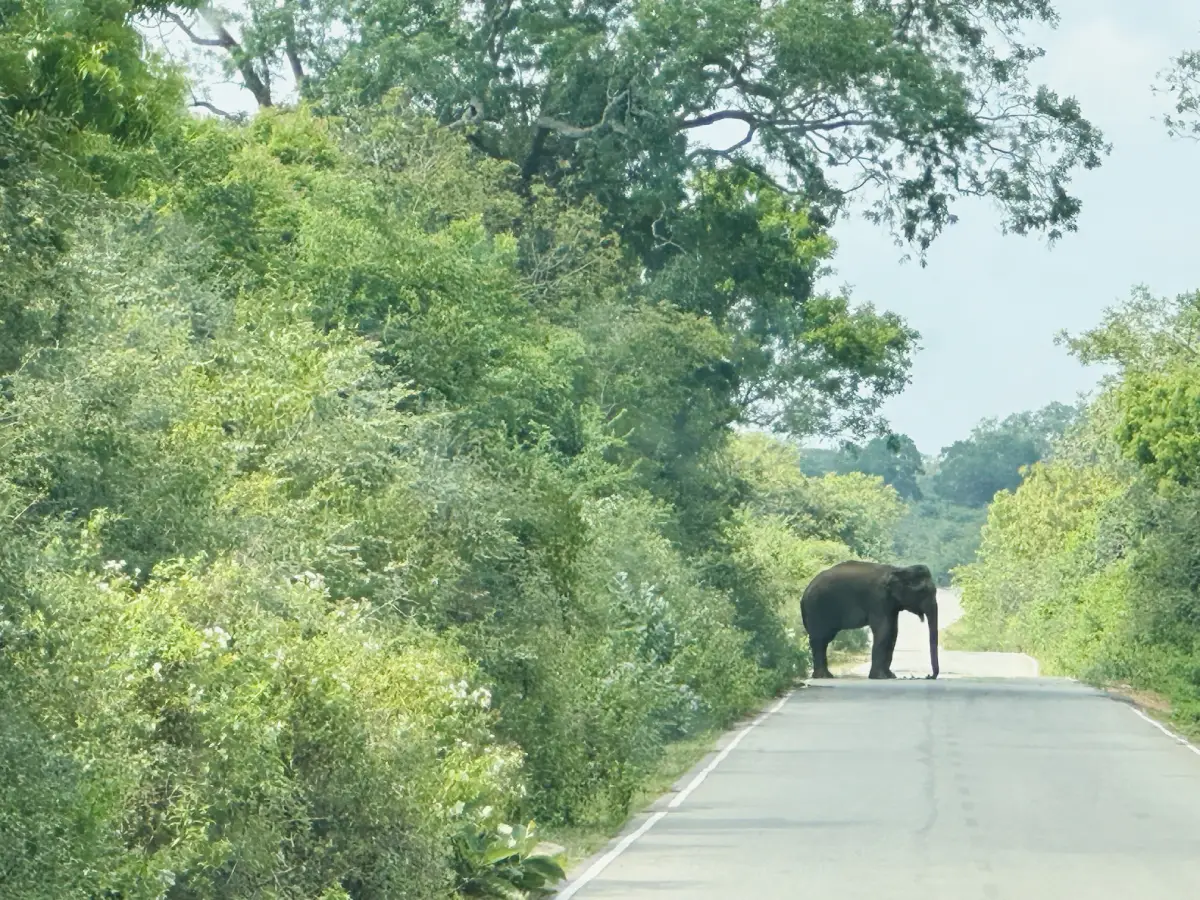
5 Nights · 6 Days
Beautiful Sri Lanka
Pinnawala · Kandy · Nuwara Eliya · Ella · Yala Jeep Safari · Galle City Tour · Whale Watching
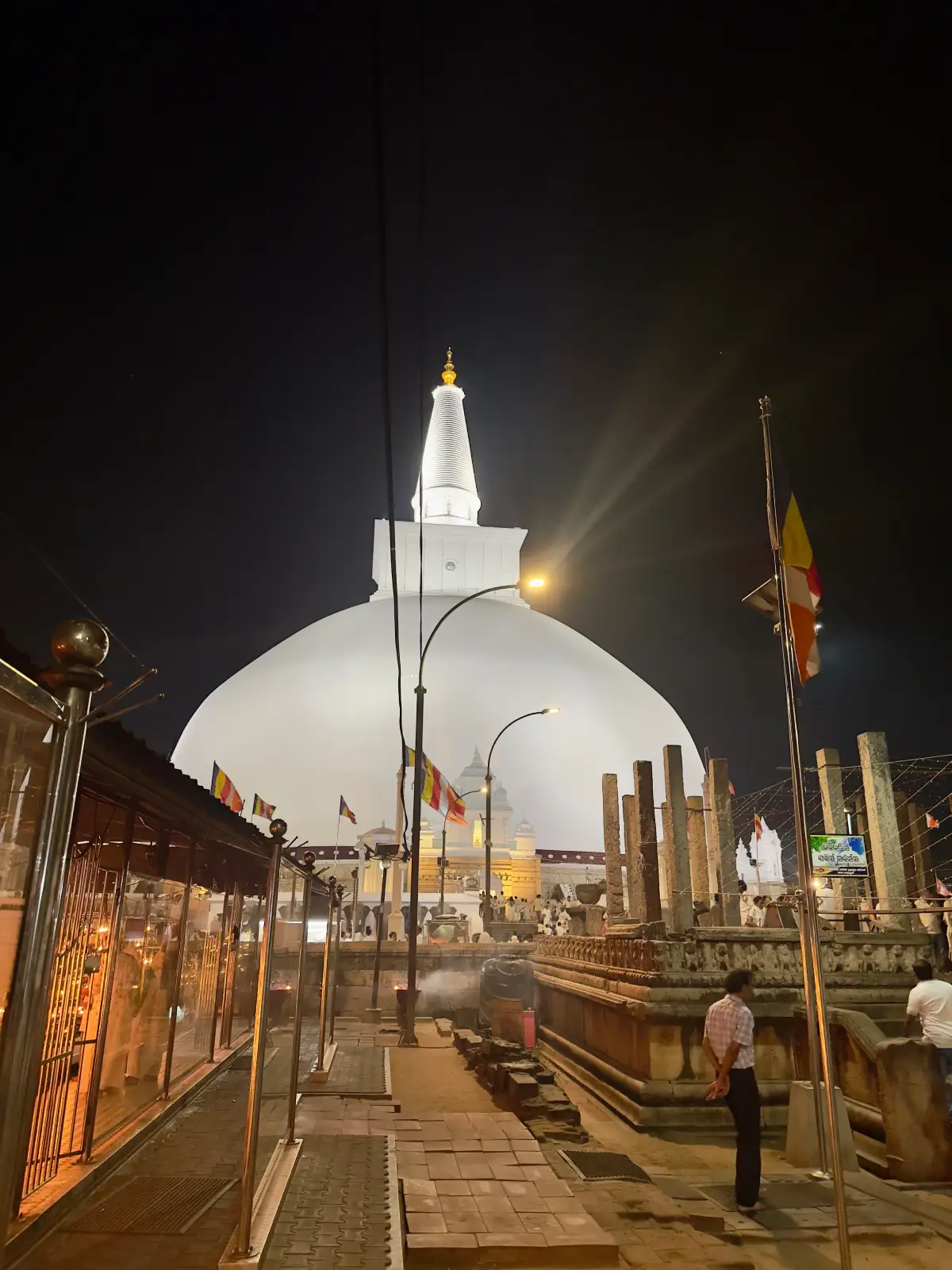
7 Nights · 8 Days
Amazing Sri Lanka
Sigiriya Lion Rock · Golden Temple, Dambulla · Kandy · Ella Train Ride · Yala Jeep Safari · Galle City Tour
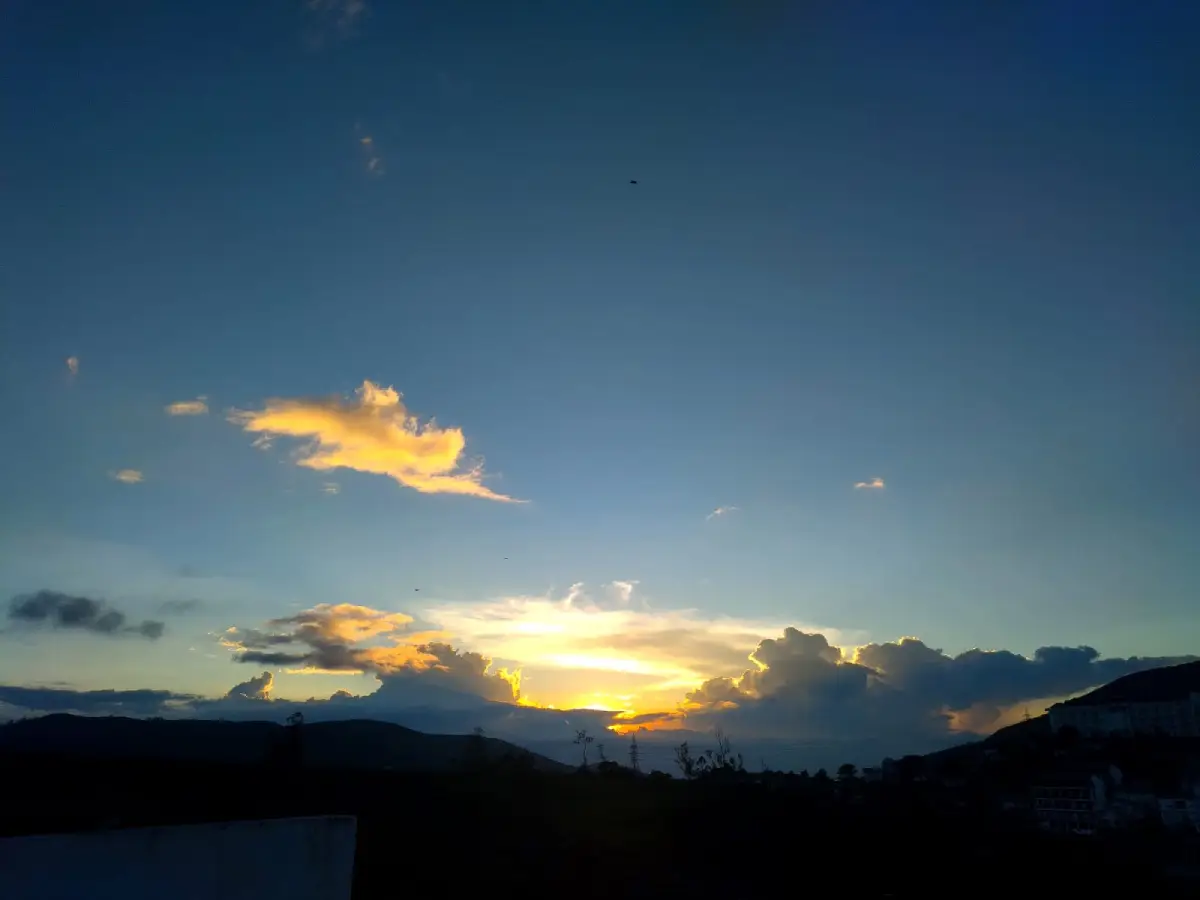
4 Nights · 5 Days
Best of Sri Lanka
Pinnawala Elephant Orphanage · Temple of the Tooth Relic · White Water Rafting · Galle City Tour · Tea Plantation Visit
Want Tissamaharama done properly?
Dawn at Yala, sunset over Tissa Wewa, the evening puja at Kataragama — we handle the permits, jeeps, drivers and timing so the days fall into place.
Image credits: Nazeer Nasaar, Muruganandan M.K, Davida De La Harpe, Sasha India, Dhammika Heenpella, Michael Shehan Obeysekera, firesock, Jay Wimalaratne, Thusitha Rajapaksa and Anthony Hammond via Creative Commons licences. Some rights reserved.